
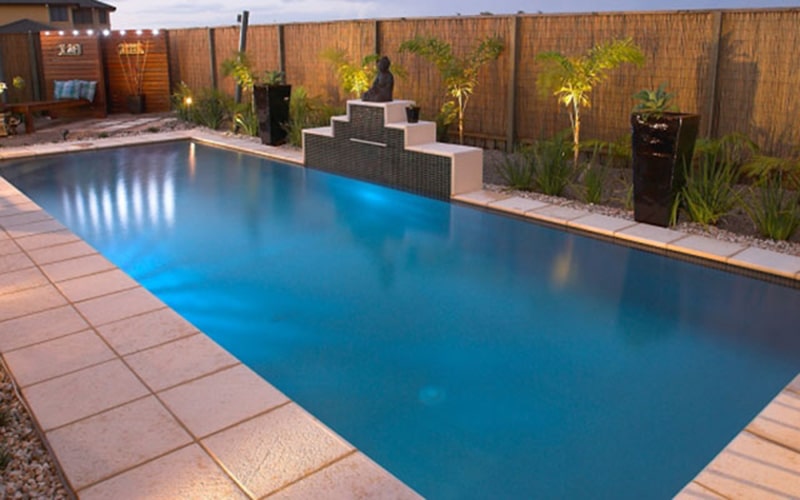
Do-it-yourself fiberglass pool kits are convenient but need regular maintenance to keep its appearance and performance. While fibreglass shells resist algae growth and reduce chemical use, they can still develop waterline stains and faded gelcoat without proper care. Regular upkeep ensures a clean swimming environment and prolongs the lifespan of the fibreglass shell.
Here are some tips for maintaining your pools.
Maintaining Water Balance
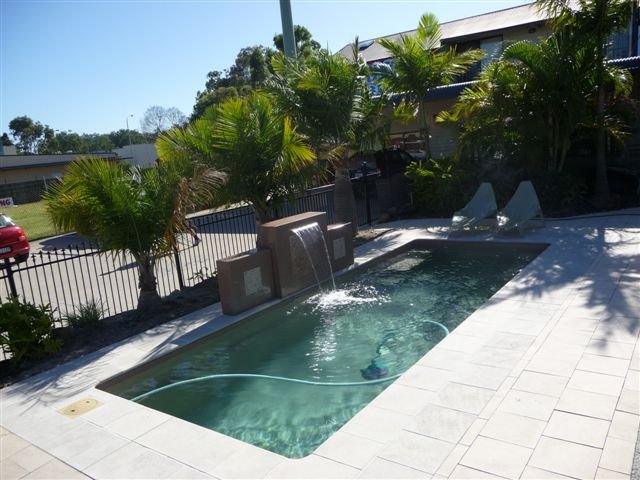
Monitoring water chemistry is crucial. Keep pH levels between 7.2 and 7.6 to protect the gelcoat, and maintain appropriate chlorine levels to prevent algae growth. Daily testing and reliable testing kit adjustments are essential for DIY fibreglass swimming pool owners.
Cleaning The Pool Surface
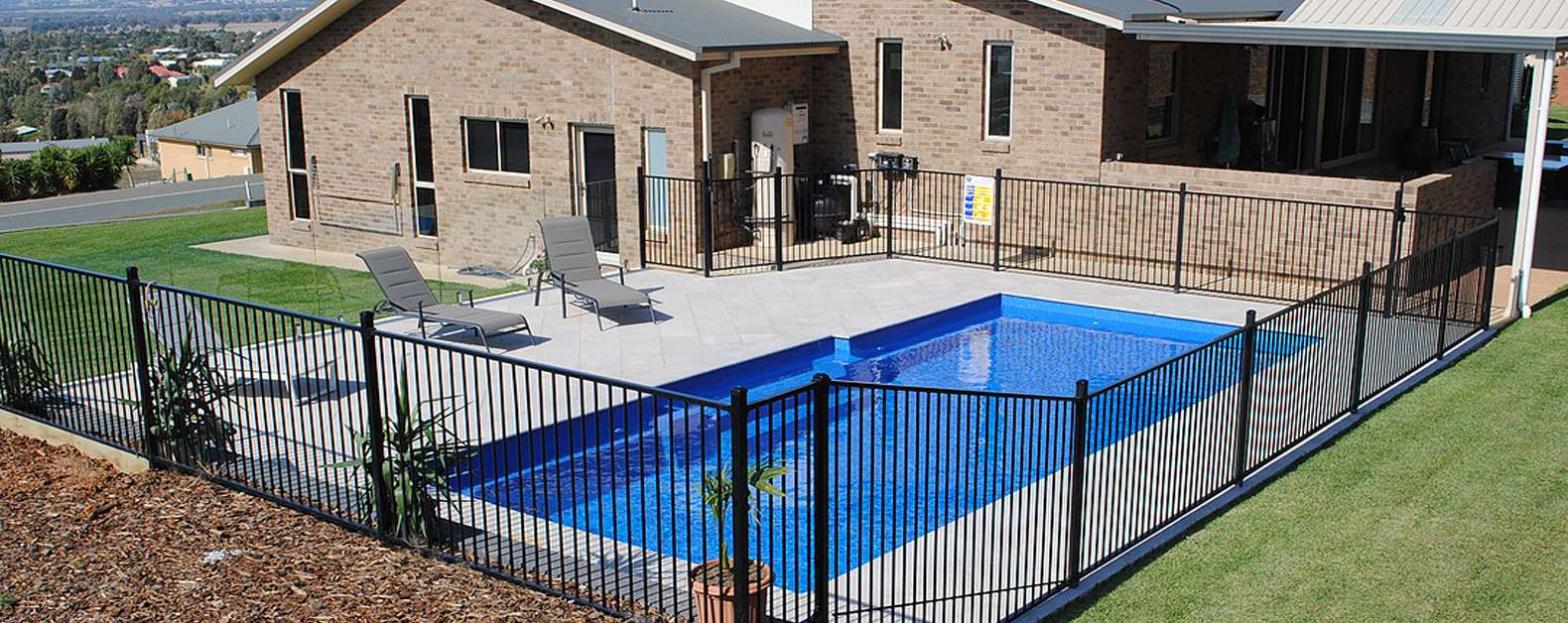
Routine cleaning is essential for diy pools. Use a soft brush or microfiber cloth to remove debris, avoiding abrasive cleaners that can damage the gelcoat. For stubborn stains, a gentle cleaning solution or diluted vinegar works well. Regular vacuuming helps keep the bottom clear.
Inspecting and Caring for Equipment
Check pumps, filters, and skimmers regularly for efficient operation. Backwash filters, clear debris, and look for leaks or unusual noises to avoid mechanical issues. Proper maintenance improves water quality.
Seasonal Care and Long-Term Maintenance
Seasonal maintenance is critical for DIY pool kits in Australia. Cover your pool in winter to prevent debris and evaporation, and clean and balance water chemistry before summer use. Inspect the gelcoat periodically; professional polishing may be needed to restore its appearance.
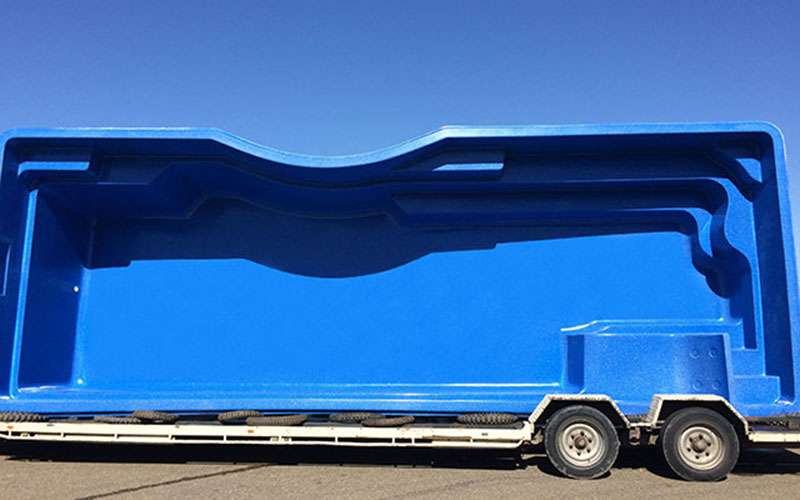
Affordable Do-It-Yourself Fiberglass Pool Kits for Homeowners
Do-it-yourself fiberglass pool kits provide a cost-effective way for Australian homeowners to enjoy a durable swimming pool with manageable installation and maintenance requirements. Regular care is essential to maintain their value.
Here are common homeowner questions about DIY pool shells:
Can I Install a Fibreglass Pool on My Own?
Yes, homeowners can use a DIY kit to install a fibreglass pool. The pre-made shells simplify the process, though hiring professionals for excavation or plumbing is recommended if you’re unsure. Regular maintenance is crucial for maintaining the pool in optimal condition.
What Is the Downside of a Fibreglass Pool?
Fibreglass pool designs need care to prevent gelcoat fading or staining. They require regular water testing and gentle cleaning. Additionally, they come in fixed shapes, which limits customisation compared to concrete pools.
What Is the Cheapest Way to Make a Swimming Pool?
A DIY fibreglass pool kit is a cost-effective choice. It reduces labour costs and maintenance since the kits are pre-made, easier to install, and resist algae growth.
How Much Does It Cost to Make a Fibreglass Pool?
Costs vary with shell size and excavation needs. DIY kits lower expenses, as you do much of the labour. DIY pools in Australia include the shell and necessary equipment, while fibreglass pools offer long-term value with minimal maintenance requirements.
Choose a DIY Kit You Can Rely On
Do-it-yourself fiberglass pool kits offer a durable, low-maintenance swimming pool solution at a lower cost. With regular upkeep, your pool can stay in great shape for years.
Pool Shell Kits offers quality options specifically designed for Australian conditions. Call us now!
DIY Pool Kits for You
Caring for a DIY fibreglass pool kit is simple. A little effort protects your investment and ensures your family enjoys a safe, sparkling pool season after season. If you are looking for easy-to maintain do-it-yourself fiberglass pool kits, you can get yours at Pool Shell Kits.
Get in touch now!