
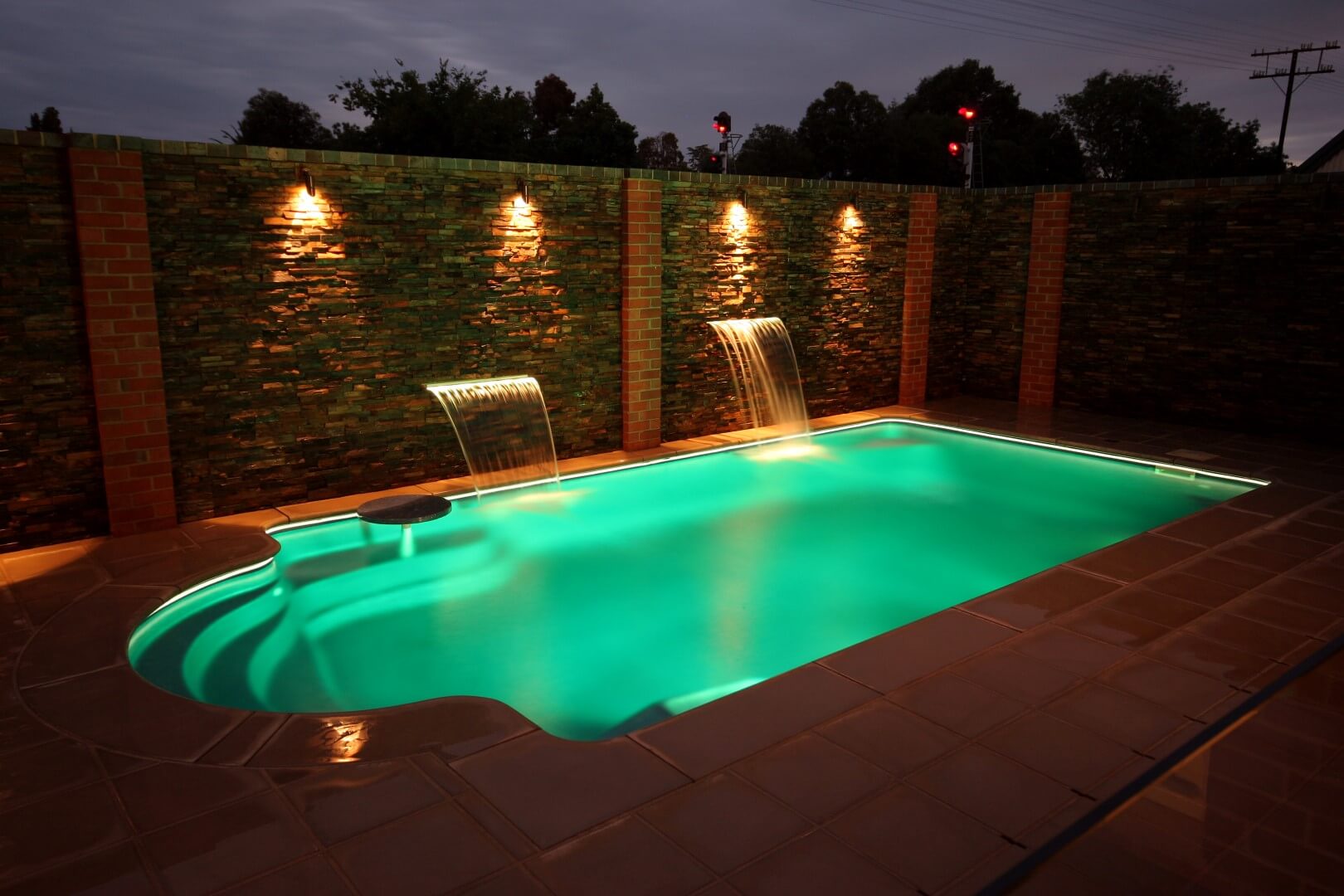
Fibreglass swimming pool shells offer Australian homeowners a simple and cost-effective way to create the backyard oasis they have always dreamed of. Instead of facing the high costs and lengthy construction process often associated with traditional pool builds, many people are discovering that fibreglass swimming pool shells provide a faster and more efficient solution for enjoying a refreshing, crystal-clear pool right outside their back door.
Whether you are an ambitious DIY enthusiast or a homeowner looking for the most efficient way to upgrade your backyard, fibreglass pools offer a brilliant solution. They are quick to install, incredibly durable, and highly cost-effective.
In this guide, we will break down exactly what makes fibreglass pools so popular across the country. We will explore what a fibreglass shell is, how they are made, how long you can expect them to last, and why they often beat traditional concrete pools’ hands down.
Let us dive in.
What Is a Fibreglass Swimming Pool Shell?
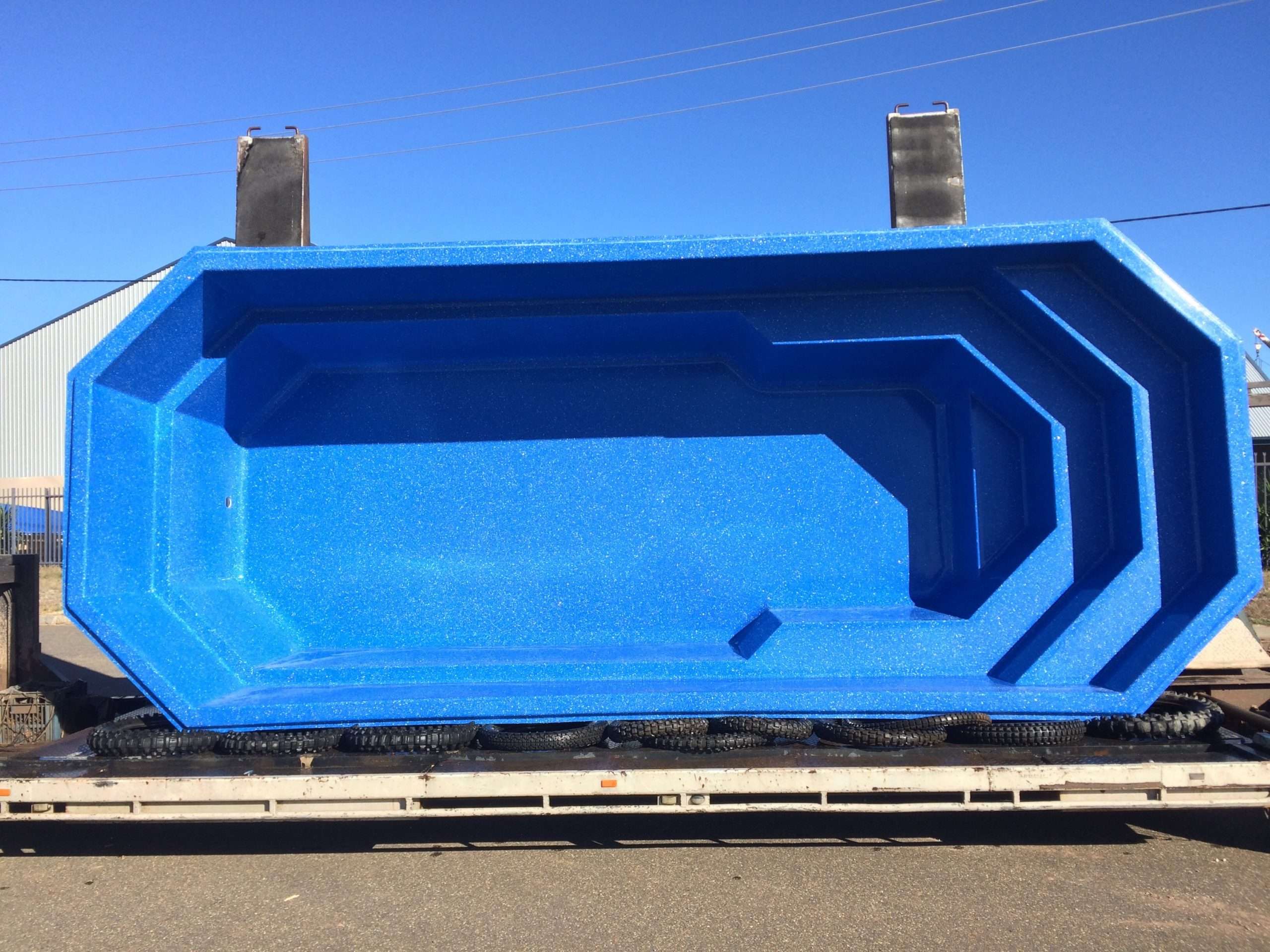
A fibreglass pool shell is a pre-manufactured, single-piece swimming pool structure. Instead of building the pool from scratch inside your backyard over several months, the entire pool shape is created in a climate-controlled factory. Once finished, it is transported directly to your property as one complete, watertight unit.
These shells are constructed from multiple layers of specialized materials, primarily built around a core of fiberglass-reinforced plastic. This creates a flexible yet incredibly strong basin that can hold massive amounts of water while resisting the shifting movements of the earth.
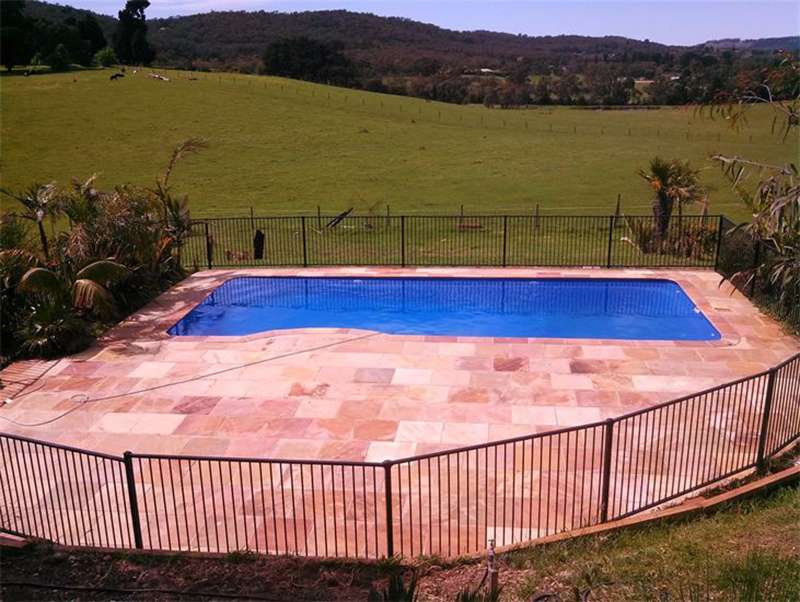
For the DIY enthusiast, DIY fibreglass swimming pool shells are gamechangers. Because the hardest part of the pool—the waterproof structural container—is already fully built; you can handle the excavation and installation yourself. By using a pre-made shell, you bypass the need for expensive steel tying, concrete pouring, and custom tiling. You simply prepare the hole, lower the shell into place, connect your plumbing, and backfill the edges. It puts the power of the pool building directly into your hands.
The Manufacturing Process of Fibreglass Shells
Understanding how these pools are built helps explain why they are so durable. The manufacturing process of fibreglass shells is a carefully monitored procedure that takes place in a factory setting. This controlled environment ensures that rain, wind, and temperature fluctuations do not interfere with the materials curing properly.
1. Creating the Mold
Everything starts with a large, perfectly shaped mold. The mold dictates the exact dimensions, steps, seating areas, and depth profile of your final pool. Manufacturers polish this mold to an incredibly smooth finish before beginning the layering process.
2. The Gelcoat Finish
The very first layer applied to the mold is the gelcoat. Interestingly, pools are built from the inside out. The gelcoat is the smooth, colorful surface you see and feel when you swim. It is sprayed onto the mold to create a non-porous, algae-resistant barrier. This layer is crucial for both aesthetics and easy maintenance.
3. Adding Vinyl Ester Resin
Once the gelcoat cures, technicians apply a layer of vinyl ester resin. This specialized resin acts as a waterproof shield. It prevents groundwater from seeping into the fibreglass layers over time, protecting the shell from blistering or bubbling.
4. Structural Fibreglass Layers
Next comes the core strength of the pool. Workers apply layers of chopped fiberglass combined with polyester resin. They carefully roll out these layers to remove any trapped air bubbles, ensuring the shell is completely solid. Some manufacturers weave in additional materials like woven roving or structural honeycombs for added rigidity, especially along the steps and walls.
5. Curing and Release
After all the layers are applied and reinforced, the shell is left to cure. Once fully hardened, the complete fibreglass swimming pool shell is lifted off the mold, trimmed, inspected for quality control, and prepared for delivery to your home.
Advantages of Fibreglass vs. Concrete Pools
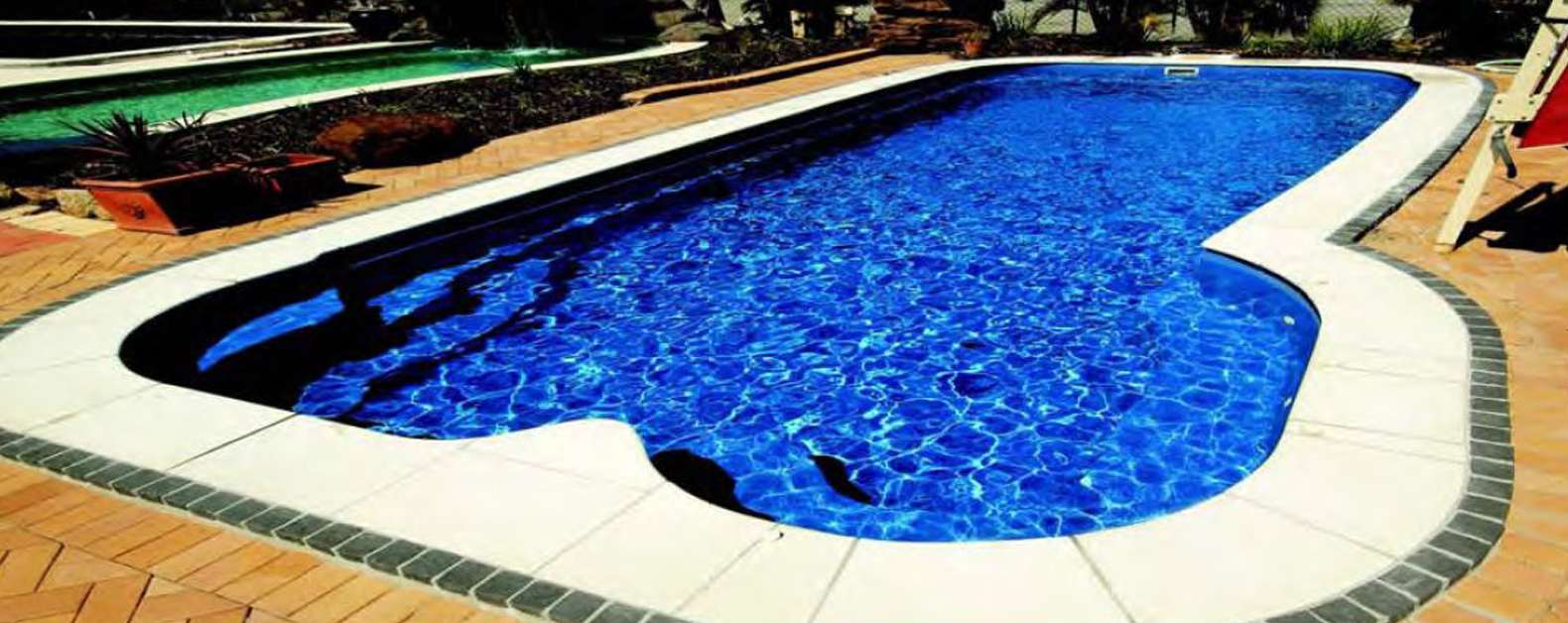
When homeowners decide to install a pool, the biggest debate is usually between fibreglass and concrete. While concrete has been a traditional choice for decades, fibreglass swimming pool shells offer several massive advantages that make them the superior choice for most modern backyards.
Speed of Installation
Building a concrete pool is a massive construction project that can tear up your backyard for three to six months. You have to wait for the concrete to cure, which depends heavily on the good weather. Fibreglass shells, on the other hand, arrive fully built. You can have your pool on the ground and ready for swimming in just a few weeks.
Lower Maintenance and Chemical Use
Concrete is highly porous. This means algae loves to grip onto its surface, requiring aggressive brushing and heavy chemical treatments to keep the water safe. Fibreglass features a smooth, non-porous gelcoat finish. Algae simply cannot stick to it easily. You will spend less time scrubbing, use fewer chemicals, and enjoy lower running costs.
A Smoother Surface
If you have ever scraped your knee or toe on the rough bottom of a concrete pool, you know it is not pleasant. Fibreglass pools have a silky-smooth finish that is gentle on your skin and won’t snag your bathing suit.
Flexibility and Durability
Australia has varied soil conditions that can expand and contract with the weather. Concrete pools are rigid and prone to cracking underground pressure, leading to expensive repairs. Fibreglass has a natural Internal use only – Confidential flex to it. It can absorb the movement of the earth without cracking, making it a highly resilient option for unpredictable soils.
Cost Savings
Overall, fibreglass swimming pool shells are significantly more cost-effective. Not only is the initial purchase usually lower, but the long-term savings are tremendous. You will never need to drain the pool to acid-wash it or pay thousands to resurface it every ten years, which is a standard requirement for concrete pools. Add the ability to install a DIY pool kit, and the savings multiply.
The Lifespan of Fibreglass Pools
When you invest in a swimming pool, you want to know if the test will stand in time. Fortunately, the lifespan of fibreglass pools is exceptionally long. When properly installed and maintained, a high-quality fibreglass shell can easily last 30 to 50 years, or even longer.
The secret to this longevity is the advanced resins and gelcoats used in modern manufacturing. Decades ago, early fibreglass pools occasionally suffered from surface blistering. Today, thanks to the introduction of vinyl ester resins, the structural integrity and waterproof nature of the shells are virtually guaranteed.
Most reputable Australian manufacturers back their pool shells with extensive warranties. It is common to see structural warranties lasting 25 years or even a lifetime. The surface gelcoat usually carries a separate warranty of around 10 to 15 years against fading and deterioration. To maximize the lifespan of your pool, simply maintain proper water chemistry. Keeping your pH and chlorine levels balancedensures the gelcoat stays vibrant and smooth for decades of family fun.
Ready to Transform Your Backyard?
Choosing to install your own pool is an exciting journey that adds immense value to your home and your lifestyle. Fibreglass swimming pool shells give you the perfect balance of premium quality, stunning aesthetics, and unmatched durability. By opting for a DIY approach, you bypass expensive construction fees and take control of your backyard transformation.
Are you ready to stop dreaming and start digging? Check out the wide range of premium, Australian made Pool Shell Designs to find the perfect fit for your space. When you are ready to save thousands on your project, visit our Homepage to learn more about our factory-direct kits and reliable delivery across Australia. Build the pool of your dreams today!